
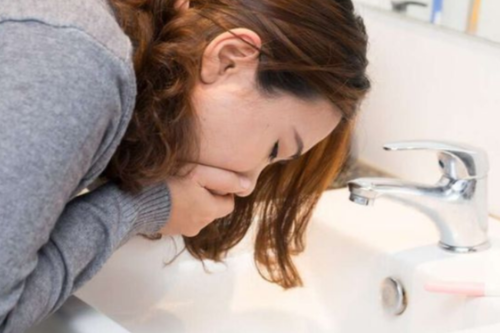
Several conditions can cause haematemesis. Understanding the root cause helps doctors provide accurate and timely treatment.
1. Peptic Ulcers
Peptic ulcers remain one of the most common causes of haematemesis. These ulcers develop in the stomach lining or upper small intestine. As a result, they may bleed and lead to vomiting blood.
2. Gastritis
Inflammation of the stomach lining can cause bleeding. Moreover, excessive alcohol use, stress, or infections often trigger gastritis.
3. Esophageal Varices
Patients with liver disease may develop swollen veins in the esophagus. These veins can rupture suddenly and cause severe bleeding.
4. Mallory-Weiss Tear
Repeated vomiting or severe coughing can tear the lining of the esophagus. Consequently, this tear may lead to bleeding.
5. Stomach Cancer
In rare cases, tumors in the stomach may cause haematemesis. Therefore, early diagnosis becomes crucial.
Patients with haematemesis often experience noticeable and alarming symptoms. You should not ignore these signs.
- Vomiting blood (red or dark brown)
- Black or tarry stools
- Abdominal pain
- Weakness or dizziness
- Rapid heartbeat
- Low blood pressure
If you notice any of these symptoms, you must consult a gastroenterologist immediately in Nagpur.
You should never delay medical attention if you experience haematemesis. Early intervention can prevent complications.
Seek immediate help if:
- You vomit fresh blood
- You feel faint or dizzy
- You experience severe abdominal pain
- You have a history of liver disease
At Gastro Avenue Clinic in Nagpur, we ensure rapid diagnosis and emergency care.
Accurate diagnosis plays a vital role in effective treatment. Therefore, Dr. Vineet Gupta uses advanced diagnostic tools to identify the cause.
1. Endoscopy
Doctors insert a flexible tube with a camera into the digestive tract. This procedure helps locate the bleeding source.
2. Blood Tests
Blood tests evaluate hemoglobin levels and detect infections.
3. Imaging Tests
CT scans and ultrasounds help identify structural abnormalities.
4. Stool Tests
Doctors may analyze stool samples to check for hidden blood.
Treatment depends on the underlying cause. However, doctors focus on stopping bleeding and preventing recurrence.
1. Emergency Stabilization
Initially, doctors stabilize the patient by providing fluids and blood transfusions if needed.
2. Endoscopic Treatment
Doctors perform procedures during endoscopy to stop bleeding. They may use clips, injections, or heat therapy.
3. Medications
Doctors prescribe medications such as:
- Proton pump inhibitors (PPIs)
- Antibiotics (if infection exists)
- Drugs to reduce stomach acid
4. Treatment for Liver Disease
If liver disease causes haematemesis, doctors treat the condition accordingly.
5. Surgery
In rare cases, doctors may recommend surgery if other treatments fail.
Choosing the right clinic ensures better outcomes. Gastro Avenue Clinic offers advanced care and personalized treatment.
Expert Care by Dr. Vineet Gupta
Dr. Vineet Gupta brings years of experience in treating complex gastrointestinal conditions. Therefore, patients receive accurate diagnosis and effective care.
Advanced Technology
The clinic uses modern diagnostic tools for precise results.
Patient-Centered Approach
Doctors focus on patient comfort and long-term health.
Emergency Support
The clinic provides quick response and emergency care for critical conditions like haematemesis.
You can prevent haematemesis by adopting healthy habits.
- Avoid excessive alcohol consumption
- Quit smoking
- Maintain a healthy diet
- Manage stress effectively
- Take medications only under medical supervision
- Treat gastric issues early
If you ignore haematemesis, serious complications may occur.
- Severe blood loss
- Anemia
- Shock
- Organ failure
- Death in extreme cases
Therefore, early diagnosis and treatment remain essential
Diet plays a crucial role in recovery. Patients should follow a balanced and gentle diet.
Recommended Foods
Soft foods like khichdi and दलिया
Fresh fruits and vegetables
Low-fat dairy products
Plenty of fluids
Foods to Avoid
Spicy and oily foods
Alcohol
Caffeine
Processed foods
A proper diet supports faster healing and prevents recurrence.