GI Endoscopy Specialist Nagpur - Dr. Vineet Gupta
GI Endoscopy Specialist Nagpur At Gastro Avenue Clinic, Nagpur, Dr. Vineet Gupta is a leading GI endoscopy specialist, offering advanced diagnostic and therapeutic endoscopy services. His approach ensures patients receive precise diagnosis, minimally invasive treatment, and long-term digestive care.
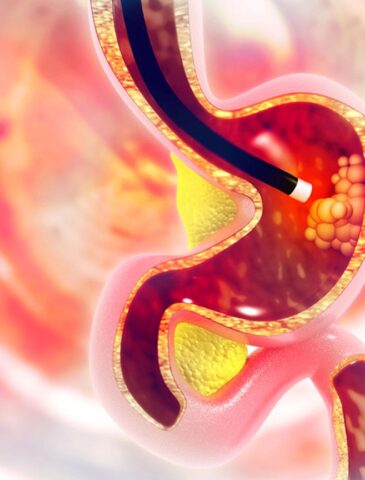
If you are experiencing digestive issues such as abdominal pain, persistent acidity, nausea, or gastrointestinal bleeding, timely evaluation by a GI endoscopy specialist is crucial. Endoscopy allows direct visualization of the esophagus, stomach, and duodenum, enabling accurate diagnosis and effective treatment of conditions like peptic ulcers, gastritis, varices, and polyps.
What Is GI Endoscopy?
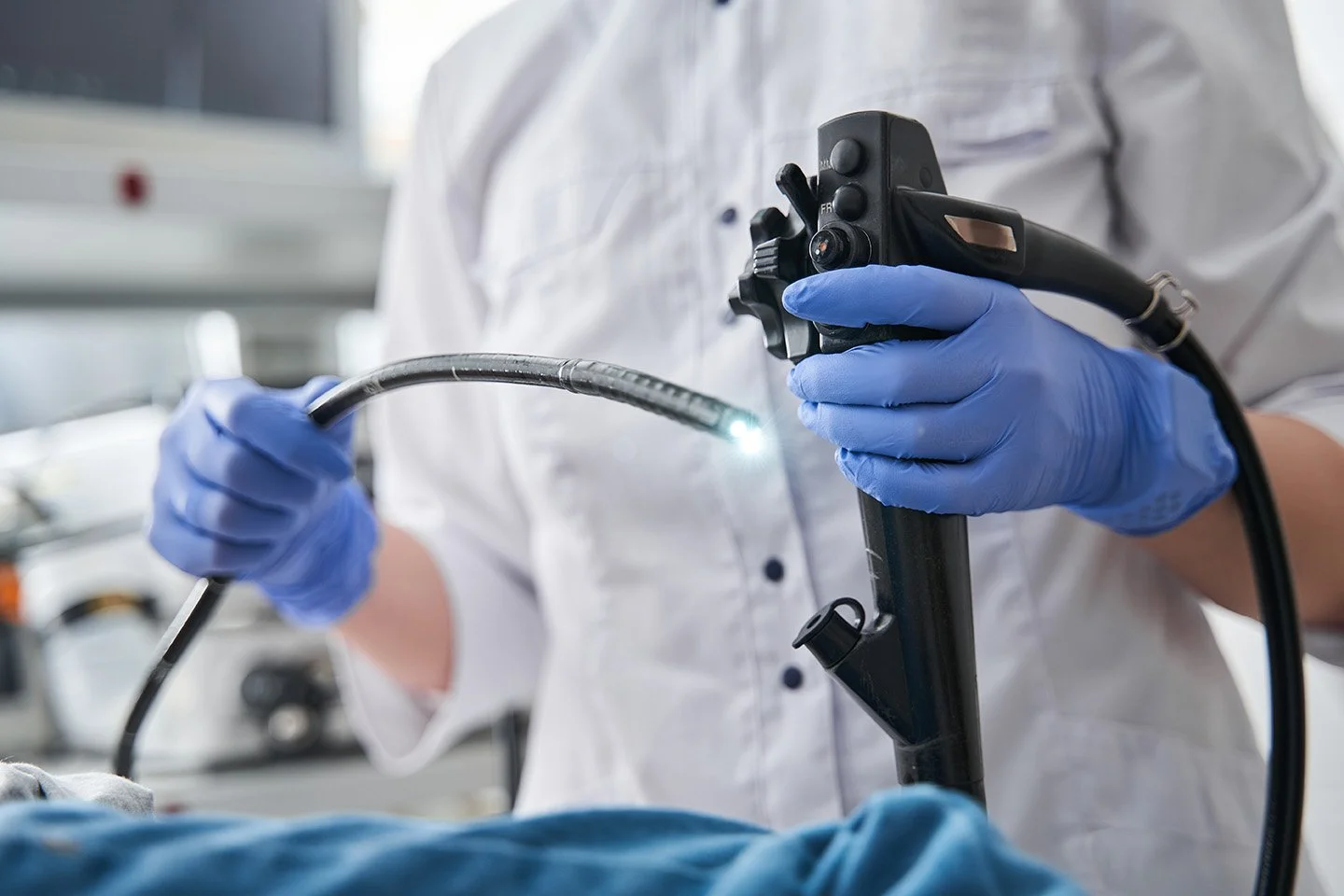
GI endoscopy is a minimally invasive, non-surgical procedure that allows a gastroenterologist to directly visualize and evaluate the digestive tract using a flexible, thin tube equipped with a high-definition camera. This advanced procedure provides a clear view of the esophagus, stomach, duodenum, small intestine, colon, and rectum, enabling accurate diagnosis of various digestive disorders.
One of the key advantages of GI endoscopy is that it is both diagnostic and therapeutic. This means that while identifying the source of a problem, such as an ulcer, inflammation, polyp, or tumor, the specialist can often perform immediate treatment during the same procedure. This dual capability makes GI endoscopy a highly effective and efficient tool in modern gastroenterology.
Types of GI Endoscopy
There are two primary types of GI endoscopy, each serving a specific purpose depending on the symptoms and area of concern:
1. Upper GI Endoscopy (Esophagogastroduodenoscopy)
Upper GI endoscopy focuses on the upper digestive tract, including the esophagus, stomach, and the duodenum (the first part of the small intestine). It is particularly useful for:
- Detecting and treating peptic ulcers
- Identifying gastritis or inflammation of the stomach lining
- Diagnosing and managing esophageal and gastric varices, often related to liver disease
- Detecting tumors or abnormal growths in the upper digestive tract
- Evaluating causes of persistent heartburn, nausea, vomiting, or upper abdominal pain
During the procedure, if a problem is detected, the gastroenterologist can take biopsies, remove small polyps, or stop bleeding immediately using specialized tools inserted through the endoscope. This eliminates the need for additional surgeries in many cases, making it both safe and convenient for patients.
2. Lower GI Endoscopy (Colonoscopy)
Lower GI endoscopy, commonly known as colonoscopy, examines the large intestine (colon) and rectum. This procedure is vital for:
- Detecting and removing colorectal polyps, which could develop into cancer if left untreated
- Identifying sources of lower GI bleeding
- Diagnosing inflammatory bowel diseases, such as Crohn’s disease or ulcerative colitis
- Monitoring patients with chronic digestive issues or a family history of colorectal cancer
Colonoscopy is highly effective because it allows the gastroenterologist to treat minor abnormalities during the procedure itself, such as removing polyps, cauterizing bleeding vessels, or performing biopsies for further analysis.
Advantages of GI Endoscopy
GI endoscopy is considered a gold standard in digestive healthcare for several reasons:
- It provides direct, real-time visualization of the digestive tract
- Combines diagnosis and treatment in one procedure, minimizing the need for multiple visits
- Helps in early detection of serious conditions such as cancer, varices, and severe ulcers
- Is minimally invasive, safe, and generally well-tolerated by patients
- Reduces recovery time compared to traditional surgical methods
By consulting a trusted GI endoscopy specialist, patients can benefit from accurate diagnosis, prompt treatment, and long-term digestive health management.
Preparation for GI Endoscopy
Proper preparation is crucial for a successful and safe endoscopy procedure. Patients may need to:
- Fast for several hours before the procedure to ensure an empty stomach or colon
- Follow a clear liquid diet prior to colonoscopy to clear the bowels
- Stop certain medications temporarily under the guidance of a gastroenterologist
- Arrange for someone to accompany them if sedation is used
Following these guidelines ensures clear visibility during the procedure, accurate diagnosis, and minimal complications.
What to Expect During the Procedure ?
GI endoscopy is generally well-tolerated and minimally invasive. Key steps include:
- Sedation or local anesthesia to ensure patient comfort
- Insertion of the endoscope into the esophagus (upper GI) or colon (lower GI)
- Real-time examination of the digestive tract, with the ability to take biopsies or perform treatment if needed
- Procedure duration: Usually 20–45 minutes depending on the complexity
Patients may feel mild discomfort or pressure, but sedation ensures minimal pain and anxiety.
Recovery After GI Endoscopy Recovery is typically quick:
Recovery is typically quick:
- Most patients can resume normal activities within a few hours
- Mild sore throat or bloating may occur but usually resolves quickly
- Dietary instructions are provided depending on the treatment performed
- Follow-up may be required to review biopsy results or monitor healing
The minimally invasive nature of endoscopy ensures fast recovery with fewer complications compared to traditional surgical methods.
Conditions Treated by GI Endoscopy
A GI endoscopy specialist can manage a wide range of conditions, including:
- Peptic ulcers and bleeding ulcers
- Gastritis and esophagitis
- Esophageal and gastric varices
- Polyps, early gastrointestinal tumors, and suspicious lesions
- Inflammatory bowel disease
- Chronic abdominal pain or unexplained anemia
Early detection and treatment through endoscopy can prevent serious complications, reduce hospital stays, and improve long-term digestive health.
Benefits of Consulting a GI Endoscopy Specialist
- Accurate diagnosis of digestive tract conditions
- Immediate treatment of many gastrointestinal issues
- Minimally invasive, safe, and effective
- Early detection of cancerous or precancerous conditions
- Personalized guidance on diet, lifestyle, and long-term digestive care
By consulting an experienced GI endoscopy specialist in Nagpur, patients ensure precision care and better outcomes for both acute and chronic digestive problems.
Aftercare and Long-Term Digestive Health
Post-endoscopy care includes:
- Following dietary recommendations to aid healing
- Monitoring symptoms such as bleeding, pain, or bloating
- Taking medications as prescribed to treat underlying conditions
- Attending follow-up appointments for continued evaluation
- Implementing lifestyle changes, including reducing NSAIDs, limiting alcohol, quitting smoking, and eating a balanced diet
Long-term care is crucial for preventing recurrence of ulcers, bleeding, or other digestive disorders.
Why Choose Dr. Vineet Gupta – GI Endoscopy Specialist Nagpur
Dr. Vineet Gupta combines advanced endoscopic technology with years of clinical expertise to provide:
- Precise diagnosis and targeted treatment
- Minimally invasive procedures for faster recovery
- Personalized patient care and long-term digestive health guidance
- Safe management of complex gastrointestinal conditions
Consulting a trusted GI endoscopy specialist ensures early detection, effective treatment, and lasting digestive wellness.
Detailed GI Endoscopy Procedure
Preparation
Proper preparation ensures safe and effective endoscopy:
- Fasting: Upper GI endoscopy requires fasting for 6–8 hours, while colonoscopy may need bowel cleansing
- Dietary Guidelines: Clear liquids before colonoscopy
- Medication Adjustment: Temporary discontinuation of certain drugs like blood thinners under doctor supervision
- Support: Arrange a companion if sedation is used
During the Procedure
- Sedation or local anesthesia is administered for comfort
- The endoscope is gently inserted to examine the digestive tract
- Real-time imaging allows the specialist to detect, diagnose, and treat abnormalities immediately
- Duration: Typically 20–45 minutes depending on the complexity
Recovery
- Most patients resume normal activities within a few hours
- Mild bloating or sore throat is common
- Follow dietary and medication instructions as advised
- Follow-up is recommended to discuss biopsy results or treatment outcomes
Conditions Treated by GI Endoscopy
A GI endoscopy specialist can manage a wide range of conditions:
- Peptic Ulcers: Diagnosis, monitoring, and endoscopic treatment for bleeding
- Gastritis & Esophagitis: Inflammation treatment and prevention
- Esophageal & Gastric Varices: Banding or sclerotherapy
- Polyps & Tumors: Early detection and removal to prevent cancer
- GI Bleeding: Identifying the source and stopping bleeding endoscopically
- Inflammatory Bowel Disease: Diagnosis, treatment planning, and monitoring
Benefits of GI Endoscopy
- Direct visualization for accurate diagnosis
- Immediate therapeutic intervention during the procedure
- Minimally invasive with faster recovery than surgery
- Early detection of cancerous or pre-cancerous conditions
- Personalized guidance for diet, lifestyle, and long-term digestive health
Diet and Lifestyle Recommendations To support recovery and prevent recurrence:
To support recovery and prevent recurrence:
- Avoid NSAIDs and smoking
- Limit alcohol consumption
- Eat fiber-rich fruits and vegetables
- Stay hydrated and maintain healthy weight
- Follow prescribed medications and supplements
- Attend regular follow-ups for monitoring
Advanced GI Endoscopy Procedures
Modern GI endoscopy has evolved beyond traditional diagnostics. At Gastro Avenue Clinic, Nagpur, Dr. Vineet Gupta performs state-of-the-art procedures that are safe, precise, and minimally invasive.
1. Endoscopic Hemostasis
For patients with upper or lower GI bleeding, endoscopic hemostasis allows doctors to stop bleeding immediately using clips, coagulation, or injection therapy. This is life-saving in emergency situations.
2. Polypectomy and Biopsy
GI endoscopy allows removal of abnormal growths or polyps during the procedure itself. Biopsies can detect early cancerous changes, ensuring early intervention.
3. Variceal Banding and Sclerotherapy
Patients with liver disease or portal hypertension may develop esophageal or gastric varices. Endoscopic treatment prevents severe bleeding and associated complications.
4. Capsule Endoscopy
For small intestine evaluation, where traditional endoscopes cannot reach, capsule endoscopy provides a non-invasive alternative. Patients swallow a small camera capsule, which captures images as it moves through the digestive tract.
Post-Procedure Recovery and Care
Recovery from GI endoscopy is typically quick and straightforward, but following post-procedure guidance ensures safety and optimal healing:
- Avoid heavy meals or irritant foods for the first 24 hours
- Take prescribed medications as directed
- Report unusual bleeding, severe pain, or persistent nausea immediately
- Schedule follow-up appointments for biopsy results and monitoring
- Gradually resume normal activities; most patients return to work the next day
Diet and Lifestyle for Long-Term Digestive Health
Maintaining digestive health after GI endoscopy requires consistent lifestyle management:
- Eat small, balanced meals rich in fiber
- Avoid alcohol, smoking, and excessive caffeine
- Manage stress through yoga, meditation, or relaxation techniques
- Stay hydrated and maintain healthy body weight
- Regular screening and preventive care for high-risk patients
By following these measures, patients can reduce recurrence of ulcers, varices, and polyps, ensuring lasting digestive wellness.
Conclusion
GI endoscopy is a revolutionary, minimally invasive procedure that allows precise diagnosis and treatment of a wide range of digestive disorders. From peptic ulcers, gastritis, and varices to polyps, tumors, and inflammatory bowel disease, early consultation with a GI Endoscopy Specialist in Nagpur ensures timely intervention, faster recovery, and long-term digestive wellness.
At Gastro Avenue Clinic, Dr. Vineet Gupta combines advanced endoscopic technology with personalized care to provide comprehensive treatment, prevent complications, and guide patients toward healthy lifestyle choices that support digestive health.
Frequently Asked Questions (FAQ)
1: What is GI endoscopy, and why is it important?
GI endoscopy is a minimally invasive procedure that allows a gastroenterologist to examine the digestive tract directly. It is important because it detects, diagnoses, and treats digestive disorders such as ulcers, bleeding, varices, polyps, and tumors.
2: Who should consult a GI endoscopy specialist?
Individuals experiencing persistent abdominal pain, heartburn, nausea, vomiting, GI bleeding, black or bloody stools, or unexplained anemia should consult a specialist. High-risk patients, such as those with liver disease or a family history of colorectal cancer, should also seek evaluation.
3: Is GI endoscopy painful?
No. The procedure is generally performed under sedation, ensuring comfort and minimal discomfort during the examination.
4: How long does the procedure take, and what is the recovery time?
Most GI endoscopy procedures take 20–45 minutes, depending on the complexity. Recovery is typically quick, with most patients resuming normal activities within a few hours.
5: Can GI endoscopy detect cancer early?
Yes. GI endoscopy allows early detection of polyps, tumors, and pre-cancerous conditions, improving treatment outcomes and survival rates.