
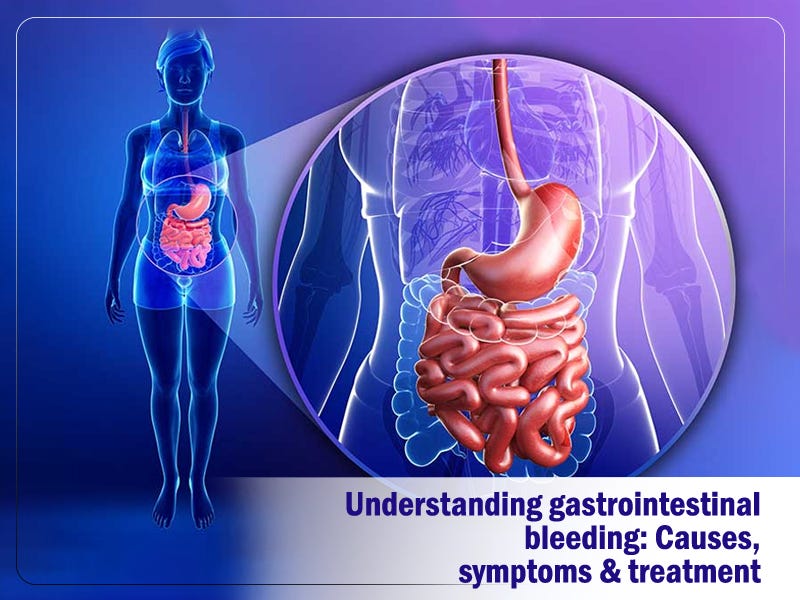
Gastrointestinal Bleeding Treatment in Nagpur
Gastrointestinal Bleeding Treatment in Nagpur At Gastro Avenue Clinic in Nagpur, Dr. Vineet Gupta provides state-of-the-art gastrointestinal bleeding treatment, combining advanced diagnostics, precise endoscopic procedures, and personalized medical care. Each treatment plan is tailored to the patient’s specific cause, severity, and overall health condition, ensuring optimal outcomes and long-term digestive wellness.
Gastrointestinal (GI) bleeding is a serious medical condition that occurs when blood is lost from any part of the digestive tract. It can manifest as vomiting blood, black or tarry stools, or bright red blood from the rectum. These symptoms may indicate an underlying condition such as peptic ulcers, gastritis, esophageal varices, diverticulosis, inflammatory bowel disease, or gastrointestinal tumors. Early detection and expert management are essential to prevent complications such as anemia, shock, or organ failure.
Understanding Gastrointestinal Bleeding
Gastrointestinal bleeding can be classified into upper GI bleeding and lower GI bleeding, depending on the location. Upper GI bleeding originates from the esophagus, stomach, or duodenum, often caused by peptic ulcers, varices, or gastritis. Lower GI bleeding occurs in the small intestine, colon, or rectum, commonly due to diverticulosis, polyps, inflammatory bowel disease, or hemorrhoids. Gastrointestinal bleeding can be classified into upper GI bleeding and lower GI bleeding, depending on the location.
- Upper GI bleeding: Originates from the esophagus, stomach, or duodenum, often caused by peptic ulcers, varices, or gastritis.
- Lower GI bleeding: Occurs in the small intestine, colon, or rectum, commonly due to diverticulosis, polyps, inflammatory bowel disease, or hemorrhoids.
Symptoms may range from subtle signs like fatigue, dizziness, and pale skin due to anemia, to visible blood in vomit or stools. Early evaluation with a gastroenterologist is critical for accurate diagnosis and timely intervention.
Causes of Gastrointestinal Bleeding
Gastrointestinal bleeding may arise from several conditions, including:
- Peptic ulcers caused by Helicobacter pylori infection or prolonged NSAID use
- Esophageal and gastric varices due to liver disease or portal hypertension
- Chronic gastritis or erosive stomach lining
- Diverticulosis or angiodysplasia in the colon
- Inflammatory bowel diseases like Crohn’s disease or ulcerative colitis
- Gastrointestinal tumors or polyps
Identifying the root cause is crucial to selecting an effective treatment plan and preventing recurrence.
Symptoms to Recognize Patients should seek immediate medical attention
Patients should seek immediate medical attention if they notice:
- Vomiting blood, either bright red or coffee-ground in appearance
- Black, tarry stools (melena)
- Bright red blood in the stool (hematochezia)
- Severe fatigue or weakness due to anemia
- Dizziness, lightheadedness, or fainting
- Abdominal pain, bloating, or unexplained discomfort
Even intermittent or mild symptoms should be evaluated promptly, as gastrointestinal bleeding can progress quickly if untreated.
Diagnostic Approach Dr. Vineet Gupta utilizes advanced diagnostic methods
Dr. Vineet Gupta utilizes advanced diagnostic methods to pinpoint the source of bleeding:
- Endoscopy (Upper GI): Visualizes and treats ulcers, varices, and gastritis
- Colonoscopy: Detects lower GI bleeding sources such as polyps or tumors
- Capsule Endoscopy: Evaluates the small intestine, which is difficult to access with standard scopes
- Imaging Studies: CT or MRI scans for structural abnormalities or tumors
- Laboratory Tests: Blood counts, liver function tests, and coagulation profiles
This comprehensive evaluation ensures accurate diagnosis and enables targeted, effective treatment.
Treatment Options Treatment depends on the cause and severity of the bleeding
Treatment depends on the cause and severity of the bleeding:
- Medical Management: Acid-suppressing medications, antibiotics for H. pylori, medications for portal hypertension, and iron supplementation
- Endoscopic Procedures: Variceal banding, sclerotherapy, endoscopic hemostasis, or polypectomy
- Surgical Intervention: Reserved for severe cases when endoscopic methods are insufficient
- Lifestyle & Preventive Measures: Avoid NSAIDs and alcohol, follow a balanced diet, and manage chronic conditions like liver disease
Holistic Patient Care Dr. Vineet Gupta’s approach emphasizes
Dr. Vineet Gupta’s approach emphasizes long-term digestive health:
- Personalized dietary and lifestyle guidance to prevent recurrence
- Patient education on warning signs and preventive measures
- Regular follow-ups to monitor recovery and early detection of complications
- Support for stress management and mental well-being
This comprehensive, patient-centric model ensures better outcomes, fewer complications, and improved quality of life.
Advanced Care for Gastrointestinal Bleeding in Nagpur
Gastrointestinal bleeding is a medical emergency that can range from mild, unnoticed blood loss to life-threatening hemorrhage. It may originate anywhere in the digestive tract, including the esophagus, stomach, small intestine, or colon. Common causes include peptic ulcers, esophageal varices, gastritis, polyps, diverticulosis, or gastrointestinal tumors.
At Gastro Avenue Clinic, Nagpur, Dr. Vineet Gupta provides a holistic and advanced approach to gastrointestinal bleeding treatment, combining accurate diagnosis, modern endoscopic techniques, and long-term patient care. Every treatment plan is tailored to the patient’s condition to ensure both immediate relief and prevention of recurrence.
What Is Gastrointestinal Bleeding?
Gastrointestinal bleeding refers to any loss of blood from the digestive tract, which may be visible in vomit or stools or hidden and detected through testing. It is classified into:
- Upper GI bleeding: Originates from the esophagus, stomach, or duodenum. Causes include ulcers, varices, gastritis, or Mallory-Weiss tears.
- Lower GI bleeding: Originates from the small intestine, colon, or rectum. Causes include diverticulosis, hemorrhoids, inflammatory bowel disease, or colorectal polyps.
Even minor bleeding can lead to chronic anemia, fatigue, and other complications if left untreated.
Signs and Symptoms to Watch
Patients should not ignore the following warning signs:
- Vomiting blood, sometimes with a dark “coffee-ground” appearance
- Black or tarry stools (melena)
- Bright red blood in stools (hematochezia)
- Persistent fatigue or weakness
- Dizziness, lightheadedness, or fainting
- Abdominal discomfort or bloating
Prompt consultation with a gastroenterologist is critical to identify the cause and initiate treatment.
Causes of Gastrointestinal Bleeding
Gastrointestinal bleeding can result from a range of conditions, including:
- Peptic ulcers caused by H. pylori infection or chronic NSAID use
- Esophageal and gastric varices due to liver cirrhosis or portal hypertension
- Gastritis or erosive stomach lining
- Diverticulosis or angiodysplasia in the colon
- Inflammatory bowel disease, such as Crohn’s disease or ulcerative colitis
- Colorectal tumors or polyps
Understanding the underlying cause is essential for proper treatment and long-term recovery.
Diagnostic Process At Gastro Avenue Clinic, Dr. Vineet Gupta uses advanced techniques
At Gastro Avenue Clinic, Dr. Vineet Gupta uses advanced techniques to accurately diagnose the source of bleeding:
- Upper GI endoscopy: Examines the esophagus, stomach, and duodenum, allowing both diagnosis and immediate treatment.
- Colonoscopy: Visualizes the colon and rectum to detect bleeding sources.
- Capsule endoscopy: Evaluates the small intestine, which cannot always be accessed by traditional endoscopy.
- Imaging studies: CT or MRI scans to identify tumors, vascular anomalies, or structural issues.
- Blood tests: Assess anemia, liver function, and coagulation status.
These diagnostic tools ensure precise identification of the bleeding site and allow for targeted treatment.
Treatment Approaches
Treatment varies depending on the location and severity of bleeding:
- Medication Therapy: Includes proton pump inhibitors for ulcers, antibiotics for H. pylori, medications for portal hypertension, and iron supplements for anemia.
- Endoscopic Therapy: Endoscopic hemostasis, variceal banding, sclerotherapy, and polyp removal.
- Surgery: Considered only when bleeding cannot be managed through endoscopic or medical interventions.
- Lifestyle Adjustments: Avoid NSAIDs, alcohol, and irritant foods. Maintain a balanced diet and manage chronic conditions.
Holistic and Long-Term Care Dr. Vineet Gupta emphasizes a holistic approach
Dr. Vineet Gupta emphasizes a holistic approach, focusing not only on stopping bleeding but also on long-term digestive health:
- Personalized nutrition and lifestyle plans
- Education on recognizing early warning signs
- Regular follow-ups to monitor progress
- Guidance for stress management and mental well-being
This comprehensive care model ensures safety, recovery, and prevention of future complications.
Why Timely Treatment of Gastrointestinal Bleeding Is Critical
Gastrointestinal bleeding is not always obvious in its early stages, but ignoring the symptoms can lead to serious health consequences. Even minor, recurrent bleeding can result in chronic anemia, weakness, and fatigue. Severe bleeding may cause shock, low blood pressure, and organ failure, making early intervention essential.
At Gastro Avenue Clinic, Nagpur, patients benefit from rapid assessment, precise diagnosis, and expert treatment under the guidance of Dr. Vineet Gupta, a leading gastroenterologist with extensive experience in managing GI bleeding.
Early treatment not only stops the immediate bleeding but also addresses the underlying cause, whether it’s a peptic ulcer, varices, or a gastrointestinal tumor, ensuring long-term digestive health.
Symptoms and Early Warning Signs
Gastrointestinal bleeding can present in various ways, depending on its source and severity. Common symptoms include:
- Vomiting blood, sometimes appearing like coffee grounds
- Black, sticky, or tarry stools (melena)
- Bright red blood in stools (hematochezia)
- Unexplained fatigue and weakness
- Dizziness, fainting, or lightheadedness
- Abdominal pain, bloating, or nausea
Even subtle signs should not be ignored. Early consultation with a gastroenterologist is crucial to prevent complications.
Advanced Diagnostic Methods
Dr. Vineet Gupta uses state-of-the-art diagnostic tools to pinpoint the exact cause of gastrointestinal bleeding:
- Upper GI Endoscopy: Enables visualization and treatment of ulcers, varices, and gastritis directly
- Colonoscopy: Detects sources of lower GI bleeding such as polyps or tumors
- Capsule Endoscopy: Ideal for examining the small intestine, which is difficult to reach with conventional endoscopy
- Imaging Techniques: CT or MRI scans help identify tumors, vascular anomalies, or other structural problems
- Laboratory Tests: Blood counts, liver function tests, and coagulation profiles assess severity and guide treatment
Accurate diagnosis is the foundation of effective treatment, reducing the risk of recurrence and improving patient outcomes.
Treatment Options for Gastrointestinal Bleeding
The approach to treatment depends on the source, severity, and patient condition.
Medical Management
- Proton pump inhibitors (PPIs) to reduce stomach acid and promote ulcer healing
- Antibiotics for H. pylori infection
- Medications to manage portal hypertension and reduce variceal bleeding
- Iron supplements for anemia caused by chronic blood loss
Endoscopic Therapy
Endoscopic procedures are often the first line of treatment and may include:
- Endoscopic hemostasis to stop active bleeding
- Variceal banding or sclerotherapy for varices
- Polyp removal or biopsy of suspicious lesions
Surgical Intervention
Reserved for cases where bleeding cannot be controlled endoscopically, surgery may involve partial resection or repair of the affected section of the digestive tract.
Lifestyle and Preventive Measures
- Avoid NSAIDs, alcohol, and smoking
- Eat a diet rich in fiber, fruits, and vegetables
- Treat underlying infections like H. pylori
- Manage chronic liver disease or other comorbid conditions
Conclusion
Gastrointestinal bleeding is a serious medical condition that requires timely evaluation and expert care. Whether caused by peptic ulcers, esophageal varices, gastritis, diverticulosis, or other underlying conditions, early diagnosis and treatment are crucial to prevent complications such as anemia, shock, or organ failure.
At Gastro Avenue Clinic, Nagpur, Dr. Vineet Gupta offers comprehensive gastrointestinal bleeding treatment, combining advanced diagnostic procedures, precise endoscopic therapy, and personalized patient care.

Frequently Asked Questions (FAQ)
1: What is gastrointestinal bleeding?
Gastrointestinal bleeding refers to blood loss from any part of the digestive tract, which may be visible or hidden.
2: What causes upper gastrointestinal bleeding?
Common causes include peptic ulcers, gastritis, esophageal varices, and Mallory-Weiss tears.
3: What causes lower gastrointestinal bleeding?
Diverticulosis, polyps, inflammatory bowel disease, hemorrhoids, or gastrointestinal tumors.
4: How is gastrointestinal bleeding diagnosed?
Through endoscopy, colonoscopy, capsule endoscopy, imaging, and lab tests.
5: How is gastrointestinal bleeding treated?
Depending on the cause, treatment may involve medications, endoscopic therapy, or surgery.