
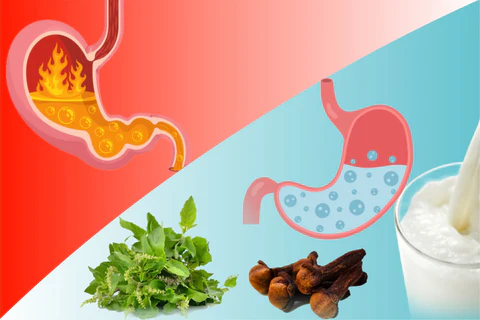
Acidity Treatment Nagpur - Dr. Vineet Gupta
Acidity Treatment Nagpur At Gastro Avenue Clinic in Nagpur, Dr. Vineet Gupta provides advanced, patient-centric acidity treatment, combining state-of-the-art diagnostics, personalized medical therapy, dietary guidance, lifestyle management, and minimally invasive procedures. Whether you experience mild, occasional heartburn or chronic GERD, our approach ensures lasting relief, prevention of complications, and overall digestive wellness.
Acidity, commonly known as acid reflux or heartburn, is a digestive condition that affects millions of people, causing burning sensations in the chest, regurgitation, bloating, and discomfort after meals. In today’s fast-paced lifestyle, factors such as stress, irregular eating habits, processed foods, and sedentary routines have significantly increased the prevalence of acidity.
Understanding Acidity and Acid Reflux
Acidity, also known as acid reflux or GERD (Gastroesophageal Reflux Disease), is a condition where stomach acid flows back into the esophagus, causing irritation and a burning sensation in the chest and throat, commonly referred to as heartburn. This condition is not just a temporary discomfort; chronic acidity can affect your overall health, disrupt sleep, reduce quality of life, and in severe cases, lead to complications such as esophagitis, ulcers, Barrett’s esophagus, or even esophageal cancer.
At Gastro Avenue Clinic, Nagpur, Dr. Vineet Gupta offers specialized acidity treatment that addresses both symptoms and root causes. The treatment approach includes:
- Accurate diagnosis using advanced endoscopy and imaging
- Personalized medication plans for immediate and long-term relief
- Lifestyle counseling to prevent recurrence
- Monitoring and follow-up care for chronic or severe cases
By combining these approaches, patients can experience lasting relief, improved digestion, and enhanced quality of life.
Common Causes of Acidity
Acidity can be caused by a combination of dietary habits, lifestyle choices, and physiological factors. Understanding the triggers is essential for effective treatment and long-term prevention. Common causes include:
- Dietary Factors: Spicy, oily, fried, or highly processed foods that irritate the stomach lining
- Overeating or irregular meals: Large meals increase stomach pressure, promoting acid reflux
- Lifestyle Factors: Excessive alcohol, smoking, caffeine intake, and sedentary habits
- Obesity: Excess weight increases abdominal pressure, contributing to reflux
- Medical Conditions: Hiatal hernia, delayed gastric emptying, or weak lower esophageal sphincter
- Stress and Anxiety: Emotional stress can disrupt digestion and increase acid production
- Medication Use: Chronic use of NSAIDs, aspirin, or certain painkillers
Addressing these causes through diet, lifestyle modifications, and medical therapy ensures more effective results and helps prevent long-term complications.
Symptoms of Acidity It can vary depending on severity and frequency
Symptoms of acidity can vary depending on severity and frequency. Patients often report:
- Heartburn: Burning sensation in the chest, often after meals or while lying down
- Regurgitation: Sour or bitter taste in the mouth due to stomach acid backflow
- Difficulty swallowing: Food feels stuck or slow to pass through the esophagus
- Nausea or bloating: Persistent discomfort, burping, and stomach fullness
- Chronic cough or hoarseness: Resulting from acid irritation of the throat
- Chest pain: Can mimic cardiac issues and requires evaluation by a specialist
If left untreated, these symptoms can progress to esophagitis, ulcers, strictures, or Barrett’s esophagus, making early evaluation by a GI specialist in Nagpur essential.
Advanced Acidity Treatment Options
At Gastro Avenue Clinic, Nagpur, Dr. Vineet Gupta provides comprehensive, advanced treatment for acidity using a combination of medical, endoscopic, and lifestyle approaches.
1. Medical Therapy
Medications play a critical role in controlling acid production and promoting healing:
- Proton Pump Inhibitors (PPIs): Reduce stomach acid, relieve heartburn, and allow the esophagus to heal
- H2 Receptor Blockers: Control acid production and prevent night-time symptoms
- Antacids: Provide rapid relief by neutralizing stomach acid
- Prokinetic Agents: Improve stomach emptying and reduce reflux episodes
These medications are customized based on symptom severity, underlying cause, and patient health profile.
2. Lifestyle and Dietary Modifications
Lifestyle changes are essential for long-term management and prevention:
- Eat smaller, frequent meals instead of large portions
- Avoid spicy, oily, and acidic foods that trigger reflux
- Limit alcohol, caffeine, and smoking
- Maintain a healthy weight through exercise and balanced nutrition
- Avoid lying down immediately after meals to prevent acid backflow
- Practice stress management techniques such as yoga, meditation, or deep breathing
Implementing these changes ensures long-lasting relief and prevents recurrence of acidity symptoms.
3. Endoscopic and Surgical Options
For patients with severe or refractory acidity, advanced procedures may be recommended:
- Endoscopic procedures: Strengthen the lower esophageal sphincter to prevent reflux
- Fundoplication surgery: Wraps the stomach around the lower esophagus to improve function
- Minimally invasive techniques: Shorter recovery times and effective symptom relief
These treatments are precise, minimally invasive, and highly effective, especially for patients who do not respond to medications and lifestyle changes.
Preventive Measures acidity requires consistent lifestyle
Preventing acidity requires consistent lifestyle and dietary management, alongside regular monitoring:
- Balanced diet: Include fiber-rich foods, vegetables, lean proteins, and whole grains
- Avoid late-night meals and overeating
- Hydrate adequately and reduce salt or processed foods
- Manage stress with mindfulness, meditation, and physical activity
- Regular follow-ups: Monitor high-risk patients to prevent severe complications
Adhering to these preventive measures helps control acid production, reduce reflux, and maintain long-term digestive health.
Why Timely Acidity Treatment is Important ?
Acidity, if left untreated, can lead to serious complications affecting your esophagus, stomach, and overall digestive health. Frequent acid reflux may cause:
- Esophagitis: Inflammation of the esophagus lining
- Peptic ulcers: Painful sores in the stomach or duodenum
- Barrett’s esophagus: Precancerous changes due to prolonged acid exposure
- Strictures: Narrowing of the esophagus, causing swallowing difficulties
Seeking care from an experienced acidity specialist in Nagpur ensures early detection and management of these complications. At Gastro Avenue Clinic, Dr. Vineet Gupta uses modern diagnostic tools and individualized treatment plans to prevent long-term health issues.
Comprehensive Diagnostic Approach
Accurate diagnosis is critical for effective treatment. Dr. Vineet Gupta employs a combination of clinical evaluation and advanced diagnostic tools:
- Upper GI Endoscopy: Direct visualization of the esophagus, stomach, and duodenum to detect inflammation, ulcers, or structural abnormalities
- 24-Hour pH Monitoring: Measures acid levels in the esophagus to confirm acid reflux
- Esophageal Manometry: Evaluates the function of the lower esophageal sphincter and esophageal muscles
- Imaging Tests: Barium swallow or other radiological studies to detect hiatal hernia or strictures
This thorough approach ensures accurate identification of the cause and severity of acidity, enabling a personalized treatment plan for each patient.
Personalized Treatment Plans
Acidity treatment is not one-size-fits-all. Dr. Vineet Gupta designs customized treatment plans based on the patient’s:
- Symptom severity and frequency
- Medical history and risk factors
- Lifestyle, dietary habits, and stress levels
- Presence of complications such as ulcers or Barrett’s esophagus
Treatment options include:
- Medications: PPIs, H2 blockers, antacids, and prokinetic agents
- Dietary adjustments: Avoid triggers such as spicy, fried, or acidic foods
- Lifestyle changes: Weight management, stress reduction, and meal timing
- Advanced procedures: Endoscopic or surgical interventions for severe cases
This holistic approach ensures immediate relief and long-term prevention.
Lifestyle Management and Preventive Strategies
Long-term relief from acidity depends on healthy lifestyle practices. Key strategies include:
- Eat small, frequent meals: Avoid overloading the stomach
- Avoid trigger foods: Spicy, fried, processed, and acidic foods
- Reduce alcohol and caffeine intake: Both increase acid production
- Quit smoking: Smoking weakens the lower esophageal sphincter
- Maintain healthy weight: Obesity increases abdominal pressure and reflux
- Stress management: Yoga, meditation, and relaxation techniques improve digestion
- Sleep habits: Elevate the head of the bed and avoid lying down immediately after meals
By integrating these habits, patients can reduce the frequency and severity of acid reflux and maintain long-term digestive health.
When to Seek Acidity Treatment ?
Consulting a GI specialist in Nagpur is recommended if you experience:
- Heartburn more than twice a week
- Persistent regurgitation or sour taste in the mouth
- Difficulty swallowing or chest pain resembling heartburn
- Unexplained weight loss or anemia
- Symptoms that do not improve with over-the-counter medications
Early consultation prevents serious complications and improves treatment outcomes.
Understanding Acidity and Its Impact
Acidity, also referred to as acid reflux or gastroesophageal reflux disease (GERD), occurs when stomach acid flows back into the esophagus, causing irritation and the familiar burning sensation in the chest or throat. While occasional heartburn is common, chronic acidity can significantly impact daily life, disrupt sleep, and cause long-term digestive complications. Untreated acid reflux can lead to:
- Esophagitis: Inflammation of the esophagus lining
- Peptic ulcers: Open sores in the stomach or duodenum
- Barrett’s esophagus: Pre-cancerous changes in esophageal cells
- Esophageal strictures: Narrowing that affects swallowing
At Gastro Avenue Clinic, Nagpur, Dr. Vineet Gupta focuses on comprehensive acidity treatment, combining diagnostics, medications, lifestyle management, and advanced endoscopic procedures. This approach not only alleviates symptoms but also prevents complications, ensuring long-term digestive health.
Causes of Acidity Acidity is a multifactorial condition influence
Acidity is a multifactorial condition influenced by diet, lifestyle, and medical factors. Understanding the triggers helps in customizing treatment and prevention strategies. Common causes include:
- Unhealthy diet: Spicy, oily, fried, and processed foods increase stomach acid production
- Large meals or irregular eating habits: Overeating stretches the stomach and promotes reflux
- Obesity: Increased abdominal pressure can force acid into the esophagus
- Lifestyle habits: Smoking, alcohol, and caffeine consumption weaken the lower esophageal sphincter
- Medical conditions: Hiatal hernia, delayed gastric emptying, or weak esophageal valves
- Stress and anxiety: Emotional stress can affect digestive function and worsen symptoms
- Medications: Prolonged use of NSAIDs, aspirin, or steroids may irritate the stomach lining
Addressing these factors through dietary guidance, lifestyle modifications, and medical therapy is crucial for effective and long-term relief.
Symptoms of Acidity
Symptoms of acidity vary in intensity and frequency. Recognizing these early can prevent complications and guide timely treatment. Common symptoms include:
- Heartburn: A burning sensation in the chest, often after meals or when lying down
- Regurgitation: Sour or bitter-tasting stomach contents returning to the mouth
- Difficulty swallowing: Food feels stuck or slow to pass through the esophagus
- Nausea, bloating, or excessive burping
- Chronic cough or hoarseness: Due to acid irritating the throat
- Chest pain: May mimic heart-related issues, requiring evaluation
Chronic symptoms can lead to esophageal damage, ulcers, or precancerous changes, making early evaluation by a GI specialist in Nagpur essential.
Diagnostic Approaches for Acidity
Accurate diagnosis is key to effective treatment and long-term management. Dr. Vineet Gupta uses advanced diagnostic tools to identify the severity and cause of acidity:
- Upper GI Endoscopy: Examines the esophagus, stomach, and duodenum for inflammation, ulcers, or structural abnormalities
- 24-Hour pH Monitoring: Measures acid exposure in the esophagus to confirm acid reflux
- Esophageal Manometry: Assesses esophageal motility and lower esophageal sphincter function
- Barium Swallow & Imaging: Detects hiatal hernia, strictures, or other structural issues
This comprehensive evaluation allows for personalized treatment planning, ensuring precise management and better outcomes.
Preventive Measures for Acidity
Long-term management of acidity requires consistent lifestyle habits and preventive strategies:
- Follow a fiber-rich diet including vegetables, fruits, and whole grains
- Stay hydrated and avoid excessive salt or processed foods
- Avoid late-night meals and heavy dinners
- Monitor high-risk conditions: Obesity, hiatal hernia, or chronic reflux
- Manage stress through mindfulness, meditation, or physical activity
- Schedule regular check-ups with a gastroenterologist to monitor progression
Implementing these measures reduces acid production, prevents reflux, and maintains digestive health over time.
Innovative Treatment Approaches
Acidity treatment today is more targeted and less invasive than ever before. Dr. Vineet Gupta offers several cutting-edge approaches:
1. Precision Medication Therapy
- Customized PPI regimens: Dosages tailored to severity and lifestyle
- Combination therapy: Antacids + H2 blockers for resistant cases
- Targeted prokinetics: Enhance gastric emptying and reduce reflux episodes
2. Non-surgical Minimally Invasive Procedures
- Endoscopic fundoplication: Strengthens the lower esophageal sphincter without open surgery
- Radiofrequency therapy: Improves esophageal valve function and reduces reflux
- Mucosectomy or banding for erosive reflux: Repairs damaged esophageal tissue
3. Integrative Lifestyle Management
- Ergonomic meal practices: Sitting upright and mindful eating
- Stress-reduction programs: Guided meditation, breathing exercises, and cognitive techniques
- Activity integration: Light walking, yoga post-meal, and posture correction
Conclusion
Acidity and acid reflux are common digestive problems, but if left untreated, they can lead to serious complications such as esophagitis, ulcers, Barrett’s esophagus, or strictures. Timely intervention is key to relieving symptoms, preventing long-term damage, and restoring digestive health.
At Gastro Avenue Clinic, Nagpur, Dr. Vineet Gupta provides comprehensive acidity treatment that combines:
Frequently Asked Questions (FAQ)
1: What are the common symptoms of acidity?
Common symptoms include heartburn, regurgitation, bloating, nausea, chronic cough, hoarseness, and chest discomfort. Severe or persistent symptoms require consultation with a gastroenterologist.
2: What lifestyle changes help control acidity?
Key changes include:
- Eating smaller, frequent meals instead of large portions
- Avoiding spicy, oily, and processed foods
- Limiting alcohol, caffeine, and smoking
- Maintaining a healthy weight and exercising regularly
- Practicing stress management like yoga, meditation, or deep breathing
3: Can acidity lead to serious complications?
Yes. Untreated chronic acid reflux can cause esophagitis, peptic ulcers, esophageal strictures, and Barrett’s esophagus, which increases cancer risk. Early intervention is critical.
4: How is acidity diagnosed?
Yes, gastroenterologists help in early detection and management of digestive cancers using advanced diagnostic procedures.
5: Are medications alone sufficient for treatment?
In most cases, you can directly book an appointment at Gastro Avenue Clinic.